Effective Muscle Strain Relief | Expert Care by Mentholatum
Achieve fast muscle strain relief with Mentholatum. Explore our Deep Freeze and Deep Relief ranges for cooling, anti-inflammatory, and 12-hour relief.
.webp)
Muscle strain relief is a common concern for people of all ages, especially those who stay active, exercise regularly, or perform physical tasks at work. A muscle strain often referred to as a pulled muscle happens when muscle fibers are stretched beyond their normal range. While uncomfortable, most muscle strains are manageable with simple care and supportive measures.
Understanding how muscle strains occur and how the body responds can help you take the right steps toward comfort and recovery.
What Is a Muscle Strain?
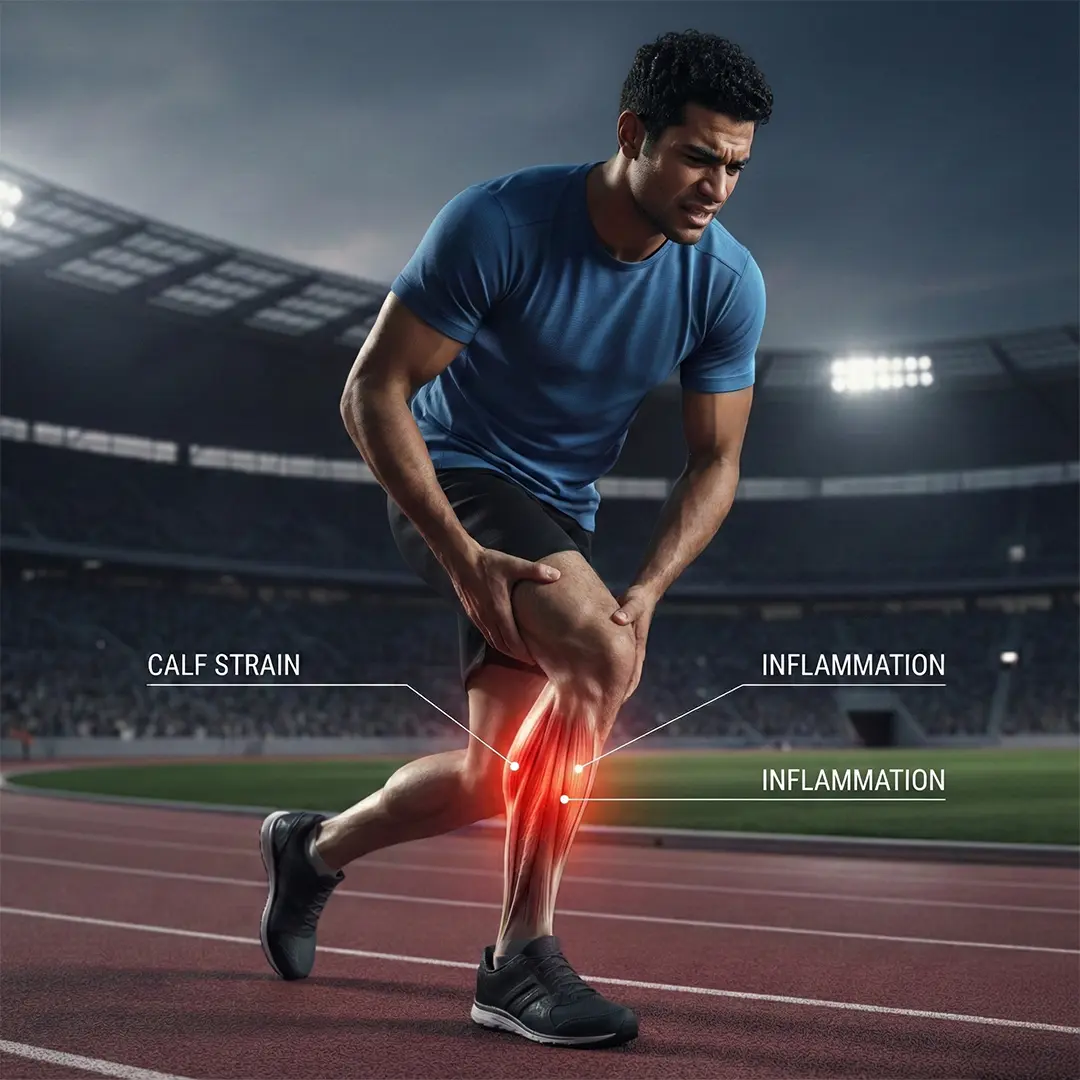
A muscle strain occurs when muscle fibers are overstretched during sudden movement, repetitive activity, or physical overload. This can happen during sports, lifting objects, or even everyday activities.
Muscle strains vary in intensity, but many are mild and improve gradually with rest and proper care. The key to muscle strain relief is supporting the body’s natural healing process rather than pushing the muscle too quickly.
How the Body Responds to a Muscle Strain ?
When a muscle is strained, the body reacts by increasing blood flow to the affected area. This response may lead to sensations such as:
- Localized discomfort or tenderness
- Mild swelling
- Stiffness or reduced flexibility
- Temporary weakness
These reactions are part of the body’s natural protective response. Supporting this process early can help ease discomfort and maintain mobility.
Common Areas Affected by Muscle Strain
Muscle strains can occur in many parts of the body, particularly in areas that are frequently used or placed under stress. Commonly affected muscles include:
- Back and neck muscles
- Hamstrings and calves
- Shoulders and arms
- Abdominal and hip muscles
Whether caused by sudden movement or gradual overuse, recognizing early signs allows you to take supportive steps before discomfort increases.
General Care Tips for Muscle Strain Relief
For most mild muscle strains, simple supportive care is often sufficient:
- Rest: Avoid activities that strain the affected muscle
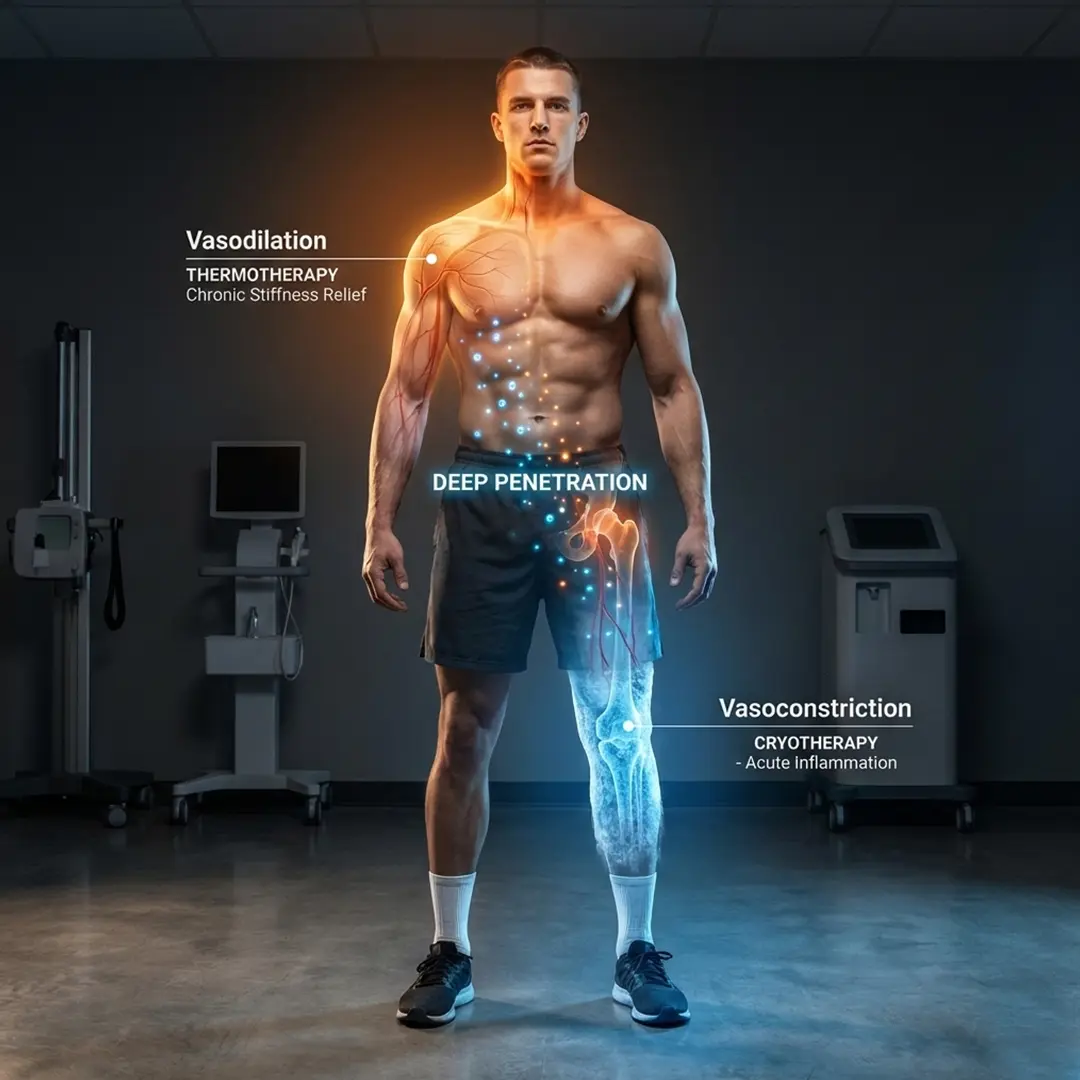
- Cooling: Applying a cooling sensation in the early stage may help soothe discomfort
- Gentle movement: Light stretching after the initial phase can support flexibility
- Posture awareness: Reducing repeated stress on the same muscle group
These measures focus on comfort and support rather than medical intervention.
The Role of Topical Support in Muscle Strain Relief
Topical products can play a supportive role in easing muscle discomfort when used as part of general care. Cooling gels, sprays, or patches are commonly chosen for their fast-acting sensory relief and ease of application.
Products such as Deep Freeze provide an immediate cooling sensation that helps soothe the affected area, particularly in the early stages of muscle discomfort. As recovery progresses, Deep Relief topical options can be used to support ongoing comfort during daily activities.
For those who prefer long-lasting, non-messy solutions, topical patches designed for extended wear can offer consistent comfort throughout the day without interrupting routine movement.
Frequently Asked Questions About Muscle Strain Relief
Should I use cooling or warming support for muscle discomfort?
Cooling support is often preferred in the early phase of muscle strain to help soothe discomfort. Warming sensations may be considered later, depending on personal comfort.
Why choose topical support instead of oral pain relief?
Topical products act directly at the area of discomfort and are commonly chosen by people who prefer localized, non-systemic support.
When should I seek professional advice?
If discomfort is severe, persistent, or affects normal movement for an extended period, consulting a healthcare professional is recommended.
Muscle strain relief is about understanding your body, allowing time for recovery, and choosing supportive care options that fit your daily routine. With the right approach, most muscle strains can be managed comfortably while staying active and mobile.
-(1).webp)