Joint Pain Therapy | Science-Backed Relief by Mentholatum
Master joint pain therapy with Mentholatum. Discover clinical heat, cold, and dual-action treatments designed for mobility and lasting relief today.
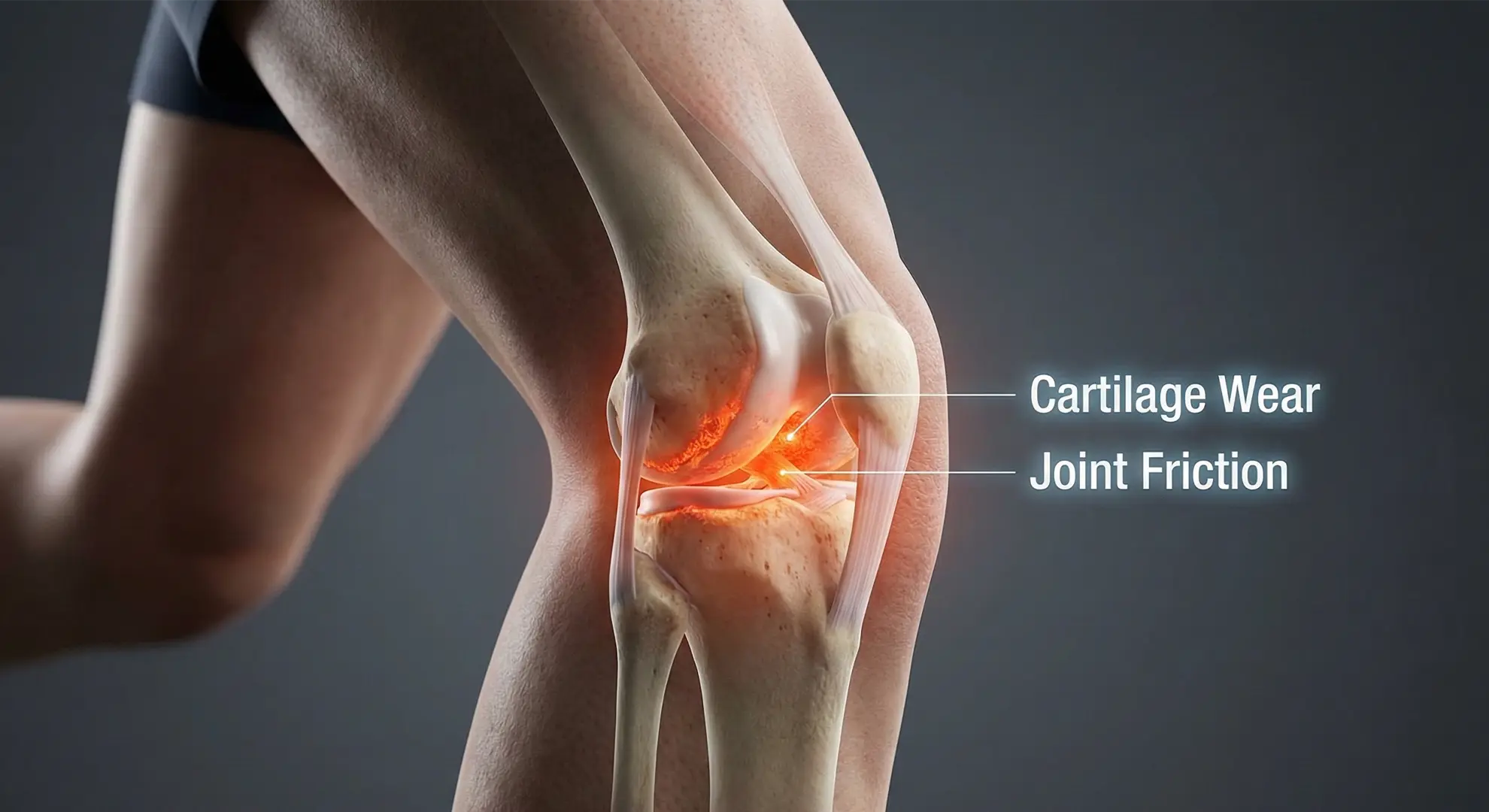
You may experience joint pain in any joint in your body. This discomfort could be a sign of numerous medical disorders. Joint pain most often results from arthritis, and with over 100 different types identified, treatment approaches vary. Depending on your condition, joint pain therapy may include simple at-home care or, in more severe cases, surgical intervention.
What is Joint Pain?
Joint pain is discomfort in one or more joints, which are points where bones meet, like your hips, knees, or spine. It can feel achy, stiff, sore, burning, or throbbing, and may come and go. Often, joints feel stiff in the morning but loosen with movement, though too much activity can worsen pain.
Effective joint pain therapy not only helps reduce discomfort but also supports returning to daily activities and improving quality of life.
What Causes Joint Pain?
Common causes of joint pain include:
- Osteoarthritis: Gradual wear of cartilage causing stiff, painful joints, usually after age 45.
- Rheumatoid arthritis (RA): Chronic inflammation that can deform joints, often in fingers and wrists.
- Gout: Acid crystals build up in joints, commonly the big toe, causing severe pain and swelling.
- Bursitis: Overuse leads to inflammation in joints like hip, knee, elbow, or shoulder.
- Tendinitis: Inflammation of tendons connecting muscles to bones, often from overuse in elbow, heel, or shoulder.
- Other causes: Viral infections, fever, rash, injuries, broken bones, or sprains.
Joint pain therapy addresses the underlying cause and helps reduce pain while restoring joint function.
The Anatomy of the Ache: Understanding Synovial Health
A healthy joint is a marvel of biological engineering. To understand why joint pain therapy is necessary, one must first look at the synovial joint structure. The ends of our bones are capped with articular cartilage, a resilient, low-friction tissue lubricated by synovial fluid. This fluid acts as both a shock absorber and a nutrient delivery system.

When inflammation occurs whether from mechanical wear (osteoarthritis) or acute injury the biochemical environment of the joint changes. Pro-inflammatory cytokines and enzymes begin to break down the cartilage matrix, while the nerves within the joint capsule (nociceptors) transmit pain signals to the brain.
Which Factors Increase the Risk of Joint Pain?
People are more likely to experience joint pain if they have:
- Chronic conditions: Such as arthritis or other long-term medical issues.
- Previous joint injuries: Past fractures, sprains, or dislocations.
- Overuse: Repeated or excessive use of muscles and joints.
- Mental health factors: Depression, anxiety, or stress.
- Weight issues: Being overweight (BMI >25) or obese (BMI >30).
- Age: Joints may stiffen and wear down over time, often after age 45.
Understanding these risks helps guide effective joint pain therapy to reduce pain and improve mobility.
Strategic Modalities: Thermal and Pharmacological Interventions
Not all joint discomfort is created equal. The most effective joint pain therapy is one that aligns with the specific stage of tissue response.
1- Cryotherapy for Acute Flare-Ups
In the presence of redness, heat, and swelling, the objective is vasoconstriction. Applying a cooling agent like Freeze Deep utilizes menthol as a counterirritant. This provides a rapid cooling sensation that slows down nerve conduction and restricts blood flow to the area, effectively dampening the inflammatory cascade and providing localized "numbing" without systemic side effects.
2- Thermotherapy for Chronic Stiffness
For the morning stiffness often associated with aging or rheumatic conditions, the priority shifts to vasodilation. Heat Deep utilizes ingredients like methyl salicylate to penetrate deeply and increase local circulation. This "hyperemia" (increased blood flow) brings oxygen and essential nutrients to the joint, increasing the elasticity of connective tissues and easing the rigid sensation that limits mobility.
3- Targeted Dual-Action Relief
When pain is persistent and inflammatory, a combined approach is often the most successful joint pain therapy. Relief Deep integrates the immediate sensory distraction of cooling with the biochemical power of topical anti-inflammatories. By delivering medication directly through the skin, it achieves significant concentrations within the synovial tissue while bypassing the gastrointestinal tract, a critical advantage for those sensitive to oral medications.
FAQ about joint pain therapy
Why does my joint pain feel worse when it’s cold or raining?
Barometric pressure changes can cause tissues to expand and contract, which may irritate sensitive nerves in a damaged joint. Consistent joint pain therapy using Heat Deep can help stabilize the temperature of the area and maintain circulation during weather shifts.
Can topical creams really reach the joint, or is it just 'surface' relief?
Clinical studies have shown that specific formulations like those found in our Relief and Deep ranges can penetrate the dermis and reach the synovial fluid in measurable concentrations. The vehicle (the base of the cream) is just as important as the active ingredient in ensuring this penetration.
I'm worried about the long-term effects of oral painkillers on my stomach. What are my options?
This is a common concern. Topical joint pain therapy is often recommended as a first-line treatment precisely because it delivers relief locally, resulting in much lower systemic absorption and a significantly reduced risk of gastric or renal complications.
How does Mentholatum approach overall wellness and joint health?
True wellness is an integrated experience. As a subsidiary of Rohto, Mentholatum views joint health as part of a broader commitment to human life quality. This includes:
- Visual Health: Maintaining activity levels requires clear vision, supported by Rohto eye care solutions.
Dermatological Integrity: Topical treatments work best on healthy skin. Our Tokyo Labo Hada range utilizes multi-layer hyaluronic acid to maintain the skin barrier, ensuring it remains a resilient vehicle for therapeutic delivery.


-(1).webp)