Muscle Tear Recovery | Tips for Faster Healing
Support your muscle tear recovery with Mentholatum. Shop our Deep Freeze and Deep Relief ranges for professional cooling and dual-action pain relief.
.webp)
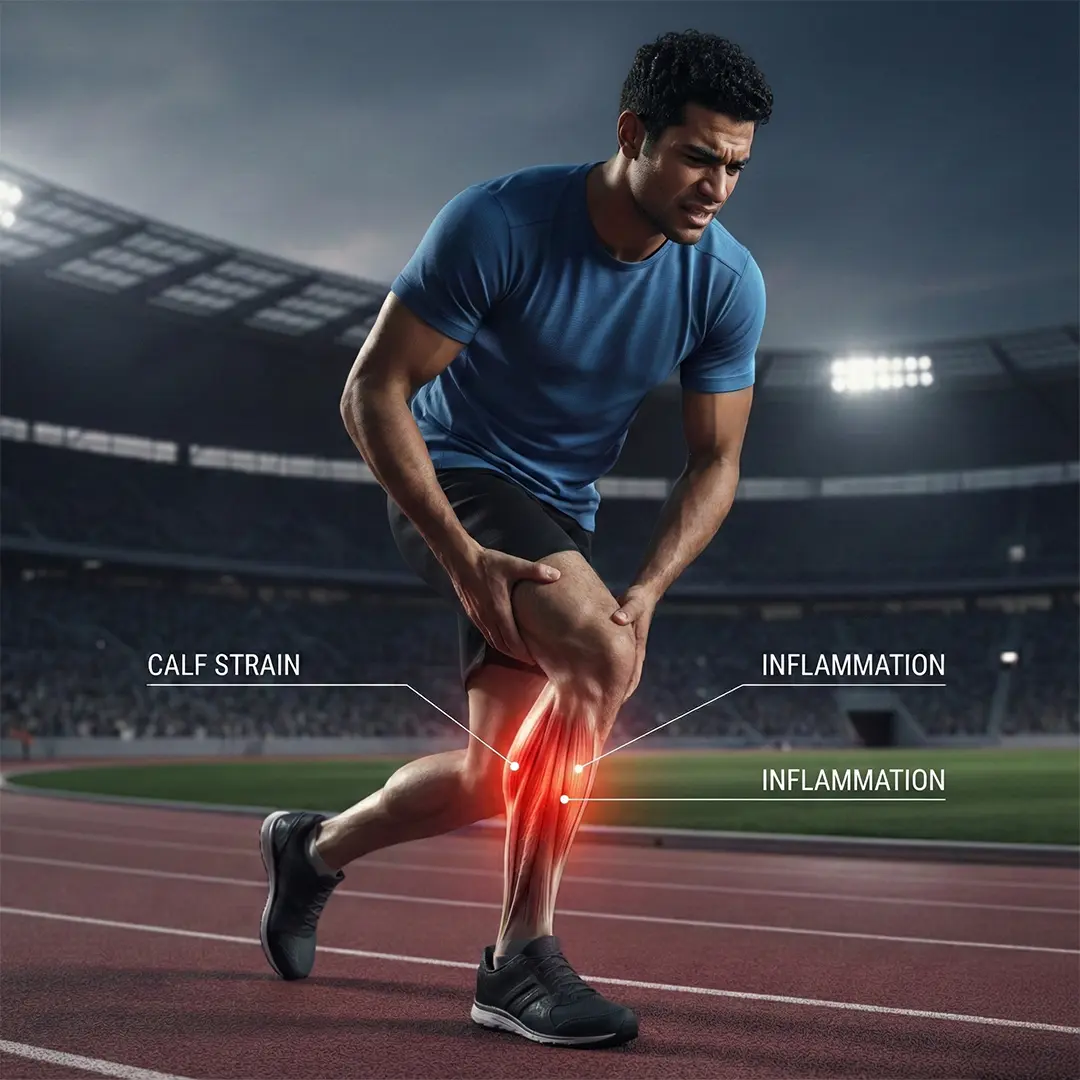
Muscle tear recovery is an important topic for anyone who stays active or experiences sudden muscle discomfort during daily movement. A muscle tear, sometimes referred to as a more intense form of muscle strain, occurs when muscle fibers are overstretched beyond their natural capacity. While the experience can be uncomfortable, many muscle tears improve gradually with the right supportive care and patience.
Understanding how the body reacts to a muscle tear can help you make informed choices that support comfort and mobility during recovery.
What Is a Muscle Tear?
A muscle tear happens when muscle fibers are placed under excessive tension during activities such as lifting, running, sudden changes in direction, or repetitive movements. These tears can affect commonly used muscles, including the hamstrings, calves, shoulders, back, and thighs.
Muscle tear recovery varies from person to person and depends on how much stress the muscle experienced. In many cases, the body is able to repair the affected tissue over time when supported properly.
How the Body Responds During Muscle Tear Recovery
After a muscle tear, the body initiates a natural response to protect the injured area. This may involve:
- Localized soreness or discomfort
- Swelling or stiffness
- Reduced strength or flexibility
- Sensitivity during movement
These reactions are part of the healing process. Supporting the body during this phase helps manage discomfort and encourages gradual return to normal movement.
Common Causes of Muscle Tears
Muscle tears can develop in both sports and everyday situations. Common contributing factors include:
- Sudden or forceful movements
- Repetitive activity without adequate rest
- Poor warm-up or stretching habits
- Muscle fatigue or overuse
- Previous muscle discomfort that was not fully resolved
Being aware of these factors can help reduce strain on muscles and support long-term muscle tear recovery.
General Care Tips for Muscle Tear Recovery
For many mild to moderate muscle tears, general supportive care is often recommended:
- Rest: Avoid activities that increase discomfort
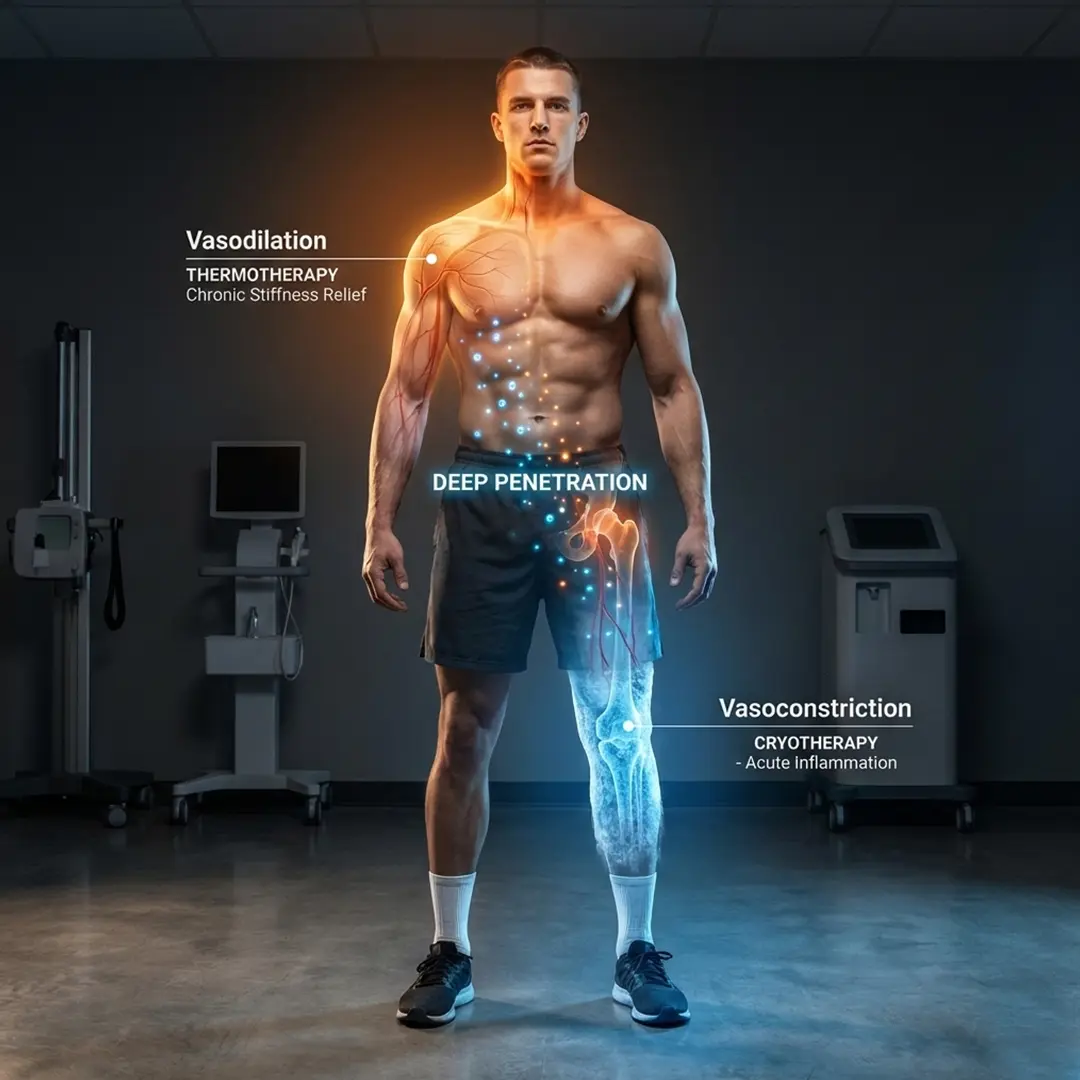
- Cooling support: Cooling sensations may help soothe the area during early recovery
- Compression: Gentle support can help manage swelling
- Elevation: Raising the affected area may reduce fluid build-up
- Gradual movement: Light, pain-free motion helps maintain flexibility
These steps focus on comfort and support rather than medical treatment.
Ongoing Support During Muscle Tear Recovery
As recovery progresses, some people experience lingering tightness or sensitivity, especially when returning to normal activity. During this stage, consistent, easy-to-use support options may help maintain comfort throughout the day.
Topical cooling products can provide a soothing sensation directly at the area of discomfort. Deep Freeze is commonly used in the early phase to deliver fast-acting cooling support, while Deep Relief topical options may be preferred later to support everyday movement.
For individuals who want extended comfort without frequent reapplication, the Deep Relief Actiflex Patch offers long-lasting cooling support for up to 12 hours, making it suitable during work, travel, or light activity.
Frequently Asked Questions About Muscle Tear Recovery
Can I stay active during muscle tear recovery?
Gentle, pain-free movement is often encouraged, but activities that increase discomfort should be avoided until mobility improves.
Why choose topical support during recovery?
Topical products act locally and are often chosen by people who prefer targeted, non-systemic support as part of general care.
Is it normal for discomfort to last for several weeks?
Yes. Muscles may feel sensitive for some time as they regain flexibility and strength. Consistent supportive care can help manage this phase.
Supporting Long-Term Muscle Health
To help reduce the risk of future muscle discomfort:
- Warm up before physical activity
- Stretch regularly to maintain flexibility
- Use proper technique during exercise or lifting
- Avoid overtraining and allow adequate recovery time
- Wear appropriate footwear and supportive gear
Muscle tear recovery is a gradual process. By understanding how the body responds and choosing supportive care options that fit your routine, you can stay active while allowing your muscles the time they need to heal.
-(1).webp)